Power, Identity, Community
Jewish Sports in Poland: the new exhibition by the World Jewish Sports Museum
- 01 February, 2026
Launched ahead of International Holocaust Memorial Day, the new exhibition Jewish Sports in Poland at the World Jewish Sports Museum in Kfar Maccabiah, in partnership with the Embassy of Poland in Israel, sheds light on a powerful and lesser-known chapter of Jewish sports history between the two World Wars.
Through rare photographs and archival documents, the exhibition tells the story of more than 400 Jewish sports clubs that flourished in Poland between 1918 and 1939. These clubs fostered pride, identity, and a sense of belonging, while Jewish athletes played a meaningful role in shaping Polish sport - before it was all brutally cut short by the Holocaust.
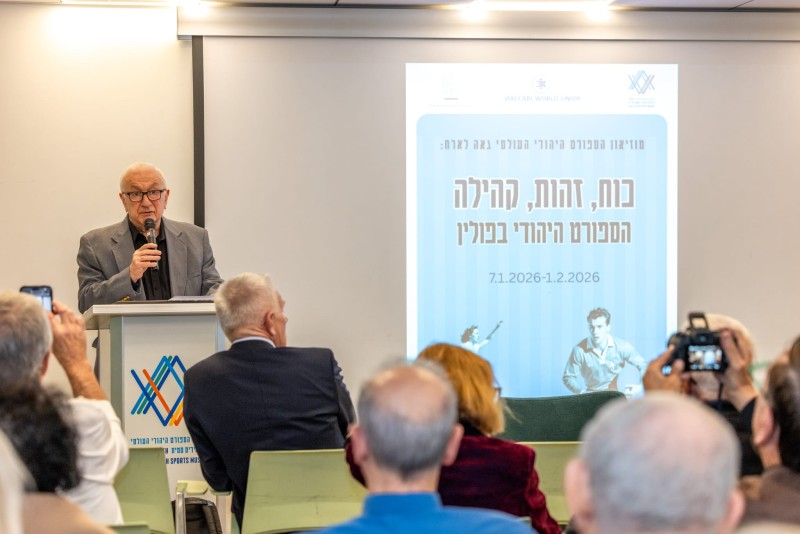 Photos credit: Ilanit Kitzoni
The opening evening at Kfar Maccabiah brought together 30 guests, featuring opening remarks by Polish Ambassador to Israel, Maciej Hunia. The event was hosted by veteran Israeli journalist Aryeh Golan, a native of Poland.
“Sport was one of the ways Jewish identity and community were built in everyday life,” Ambassador Hunia noted, expressing his hope that the exhibition would inspire further cooperation between research institutions in Israel and Poland. “This is a story that deserves to be better known.”
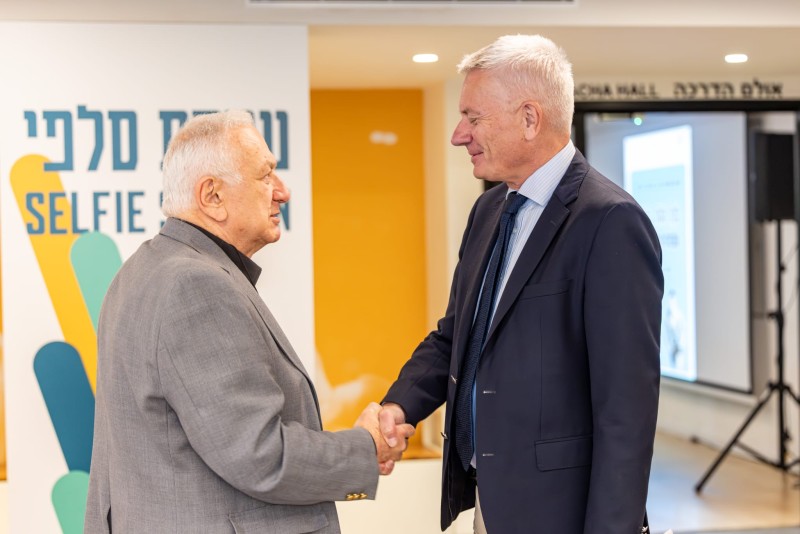
Following greetings from Yoram Eyal, Chairman of the World Jewish Sports Museum, the evening continued with a panel discussion exploring the experiences of Jewish athletes in Poland - both before World War II and in later decades.
Reflecting on the exhibition's significance, Eyal shared: “For many young Jews in Poland, sport was to be part of something bigger. This exhibition brings their stories back to life.”
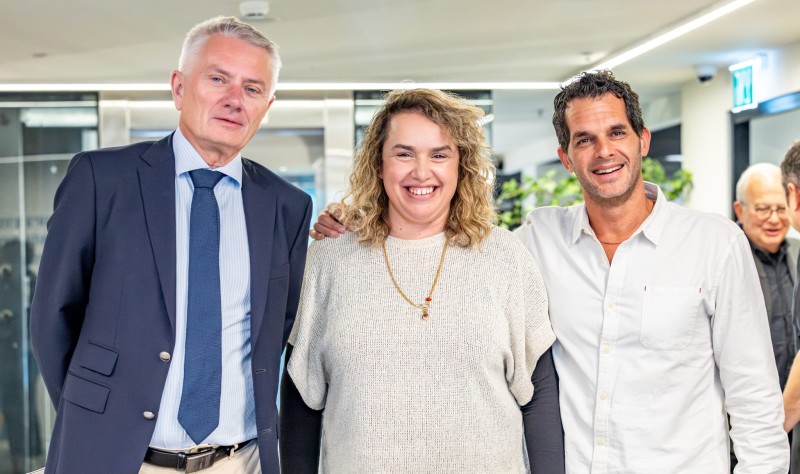
Previously shown at the Museum of Sport & Tourism and the POLIN Museum in Warsaw, the exhibition is presented in Israel for the first time, drawing largely on materials from the Polish National Archives and inviting visitors to reconnect with one of the most important chapters of Jewish history.